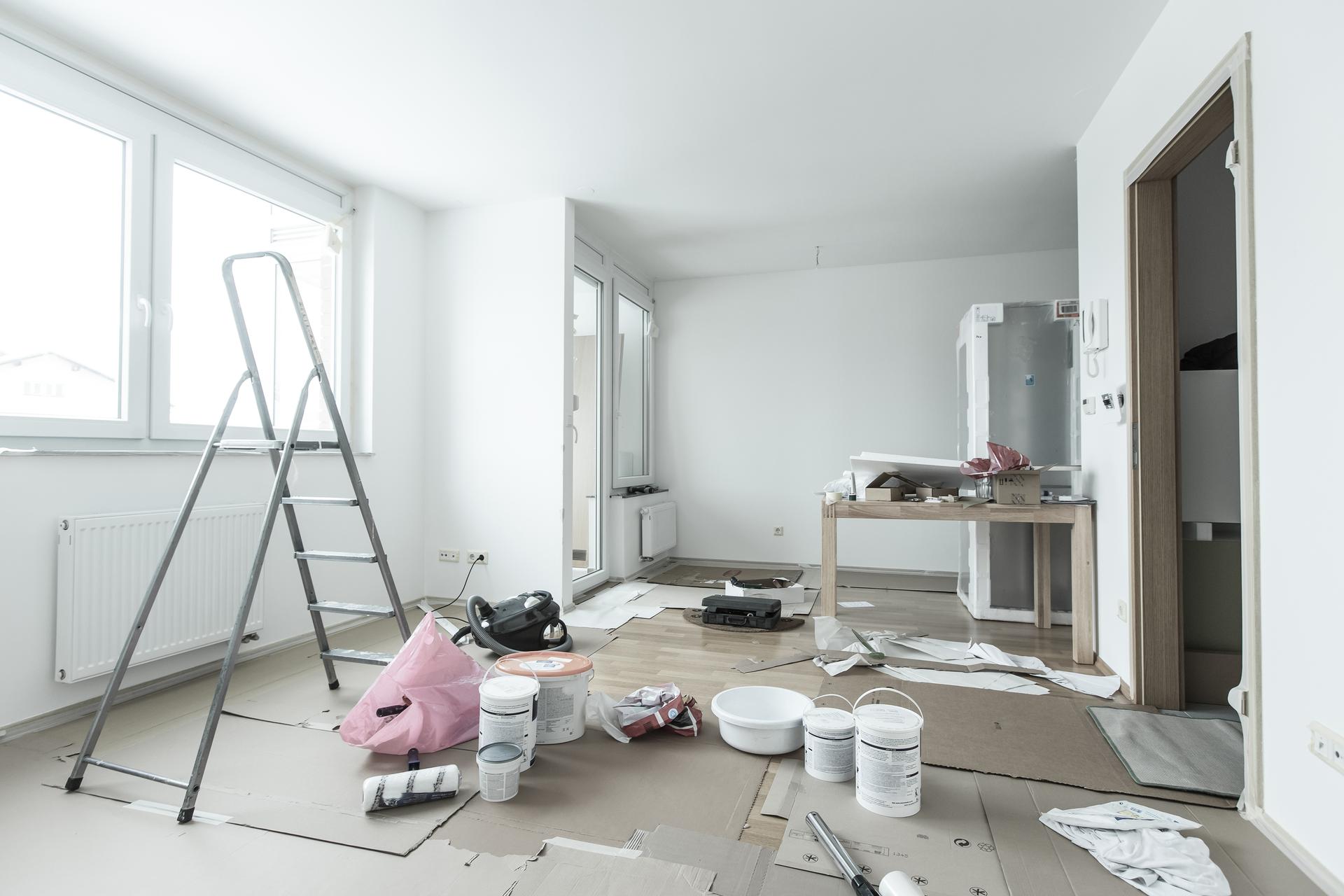
Selecting flooring for your home involves more than choosing a material you find attractive. Each flooring type comes with unique installation requirements, maintenance needs, and performance characteristics that affect both your immediate renovation experience and long-term satisfaction. Understanding these differences empowers you to make choices aligned with your lifestyle, budget, and home environment.
Hardwood Flooring: Natural Beauty With Lasting Value
Hardwood flooring represents a timeless investment that many homeowners consider the gold standard for residential flooring. The natural grain patterns, rich colors, and solid feel underfoot create an ambiance that synthetic materials struggle to replicate. Beyond aesthetics, hardwood offers the unique advantage of renewal through refinishing, potentially lasting generations with proper care.
The installation process for hardwood demands expertise and patience. Wood must acclimate to your home’s environment before installation to prevent future expansion or contraction issues. Installers evaluate subfloor conditions meticulously, as even minor irregularities can compromise the finished result. The actual installation involves precise cutting, fitting, and securing each plank, whether through nailing, stapling, or adhesive methods.
Hardwood installation takes time, and the space remains unusable during the process. The expertise required means labor costs represent a significant portion of the total investment. However, this careful installation protects your material investment and ensures optimal performance throughout the floor’s lifespan.
Luxury Vinyl Plank and Tile: Innovation Meets Practicality
Luxury vinyl has revolutionized residential flooring by delivering impressive visual realism while addressing practical concerns that natural materials present. Modern manufacturing techniques create textures and patterns that closely mimic hardwood and stone, often indistinguishable to the casual observer. The material’s composition provides inherent water resistance, making it suitable for any room in your home.
Installation simplicity represents one of luxury vinyl’s greatest advantages. Most products feature interlocking systems that allow planks or tiles to snap together without adhesives or specialized tools. This floating floor method rests atop the subfloor, eliminating concerns about permanently altering the structure beneath. The relatively forgiving installation process means projects proceed quickly with minimal disruption to household routines.
Subfloor preparation remains important but less demanding than traditional materials require. The surface needs cleanliness and relative smoothness, though luxury vinyl’s flexibility accommodates minor imperfections. Many installations include thin underlayment for enhanced comfort and sound absorption, adding another layer of performance benefits.
Ceramic and Porcelain Tile: Durability Designed to Last
Tile flooring delivers unmatched durability and design flexibility. The fired clay construction creates a surface resistant to water, stains, scratches, and wear that can maintain its appearance for decades. The variety of sizes, shapes, colors, and finishes available means tile adapts to virtually any design vision, from traditional to contemporary aesthetics.
Installing tile requires technical knowledge and specialized skills. The process begins with rigorous subfloor assessment and preparation, as tile demands a completely stable, level foundation. Installers must plan layouts carefully to optimize pattern placement and minimize waste. Each tile gets set in mortar mixed to a specific consistency, with precise spacing maintained throughout.
The multi-stage installation includes setting tiles, allowing mortar to cure, applying grout, and sealing grout lines. These sequential steps, each requiring drying time, mean tile installation spans several days. The complexity and time investment make professional installation the practical choice for most homeowners, ensuring both beautiful results and long-term performance.
Carpet: Softness and Comfort Combined
Carpet brings warmth, softness, and acoustic benefits to residential spaces. The cushioned surface provides comfort underfoot while reducing noise transmission between floors. Modern carpet manufacturing includes treatments for stain resistance and durability, making it more practical than ever for active households. The insulating properties also contribute to energy efficiency and comfort.
Professional carpet installation involves securing tack strips, laying padding, and stretching carpet to eliminate wrinkles and ensure proper fit. The stretching process requires specialized tools and techniques to achieve the taut, smooth surface that prevents premature wear. Proper installation proves critical for carpet longevity and appearance retention.
When replacing existing flooring with carpet, modern dust-free floor removal techniques minimize airborne particles during demolition, maintaining better air quality throughout your home during renovation. Carpet installation typically proceeds efficiently once materials arrive, often completing in a single day for average-sized spaces.
Engineered Hardwood: Stability Through Innovation
Engineered hardwood combines authentic wood veneer with layered construction that provides enhanced dimensional stability compared to solid hardwood. This design resists expansion and contraction from humidity and temperature changes, allowing installation in locations where solid hardwood might fail. The real wood surface delivers a genuine hardwood appearance while the engineered core provides modern performance.
Installation flexibility represents a key advantage of engineered hardwood. Depending on the specific product and installation location, it can be glued, nailed, or installed as a floating floor. The floating installation method has gained popularity for its efficiency and adaptability to various subfloor conditions without extensive preparation.
While engineered hardwood cannot be refinished as many times as solid hardwood, quality products still allow at least one refinishing cycle. This capability extends the floor’s lifespan significantly, providing renewed appearance when surface wear becomes noticeable.
Laminate: Accessible Style and Performance
Laminate flooring offers an economical entry point for homeowners seeking the appearance of natural materials with simplified maintenance. High-resolution photographic layers replicate wood, stone, or tile appearances beneath protective wear layers designed to resist scratches, stains, and fading. Technological improvements have enhanced both the visual authenticity and performance characteristics of modern laminate.
The straightforward installation process makes laminate accessible for various skill levels. Click-lock assembly systems allow planks to connect without adhesives, creating a floating floor that installs quickly. Typical installations can be completed over a weekend, minimizing disruption and allowing rapid return to normal household function.
Subfloor requirements remain relatively minimal, primarily demanding cleanliness, dryness, and reasonable levelness. Underlayment installed beneath laminate provides cushioning and moisture protection, enhancing comfort and protecting the floor from potential subfloor moisture issues.
Transform Your Space with Confidence
Choosing and installing new flooring represents a significant home improvement that affects daily life and long-term value. Understanding material differences and installation requirements helps you approach your project with realistic expectations and clear priorities.
When you’re ready to move forward, experienced flooring professionals will provide personalized guidance based on your specific needs. Local specialists can evaluate your home’s conditions, discuss material options in detail, and deliver expert installation that brings your vision to life. Reach out to our flooring experts in your area to schedule a consultation and begin your flooring transformation journey.
Frequently Asked Questions
How do I choose between similar flooring options?
Consider your specific room conditions, traffic patterns, and lifestyle factors. Moisture-prone areas benefit from waterproof materials like tile or luxury vinyl. High-traffic zones may favor durable options like tile or engineered wood. Budget constraints, desired appearance, and maintenance willingness all influence the optimal choice for your situation.
Can I install new flooring over existing floors?
Some flooring types can be installed over existing surfaces if conditions permit. Luxury vinyl and laminate often work as floating floors over stable existing flooring. However, tile, hardwood, and carpet typically require removal of old flooring to ensure proper installation and performance. Professional assessment determines feasibility for your specific situation.
How long does flooring installation typically take?
Installation duration varies significantly by material type and project scope. Carpet and luxury vinyl installations often complete within days. Hardwood and engineered wood may require several days to over a week. Tile projects typically span the longest timeframes due to multiple stages requiring drying time between steps.
What preparation does my subfloor need?
All flooring types require clean, dry subfloors, but tolerance for imperfections varies. Tile and hardwood demand very level, stable surfaces. Luxury vinyl and laminate prove more forgiving of minor irregularities. Professional installers assess subfloor conditions and recommend any necessary repairs or leveling before installation begins.
Does professional installation really matter?
Professional installation ensures your flooring investment performs optimally and lasts as long as possible. Experienced installers recognize potential issues, prepare subfloors properly, and execute installation techniques that prevent future problems. While some materials accommodate DIY approaches, professional expertise typically delivers superior results and peace of mind.