Main living areas
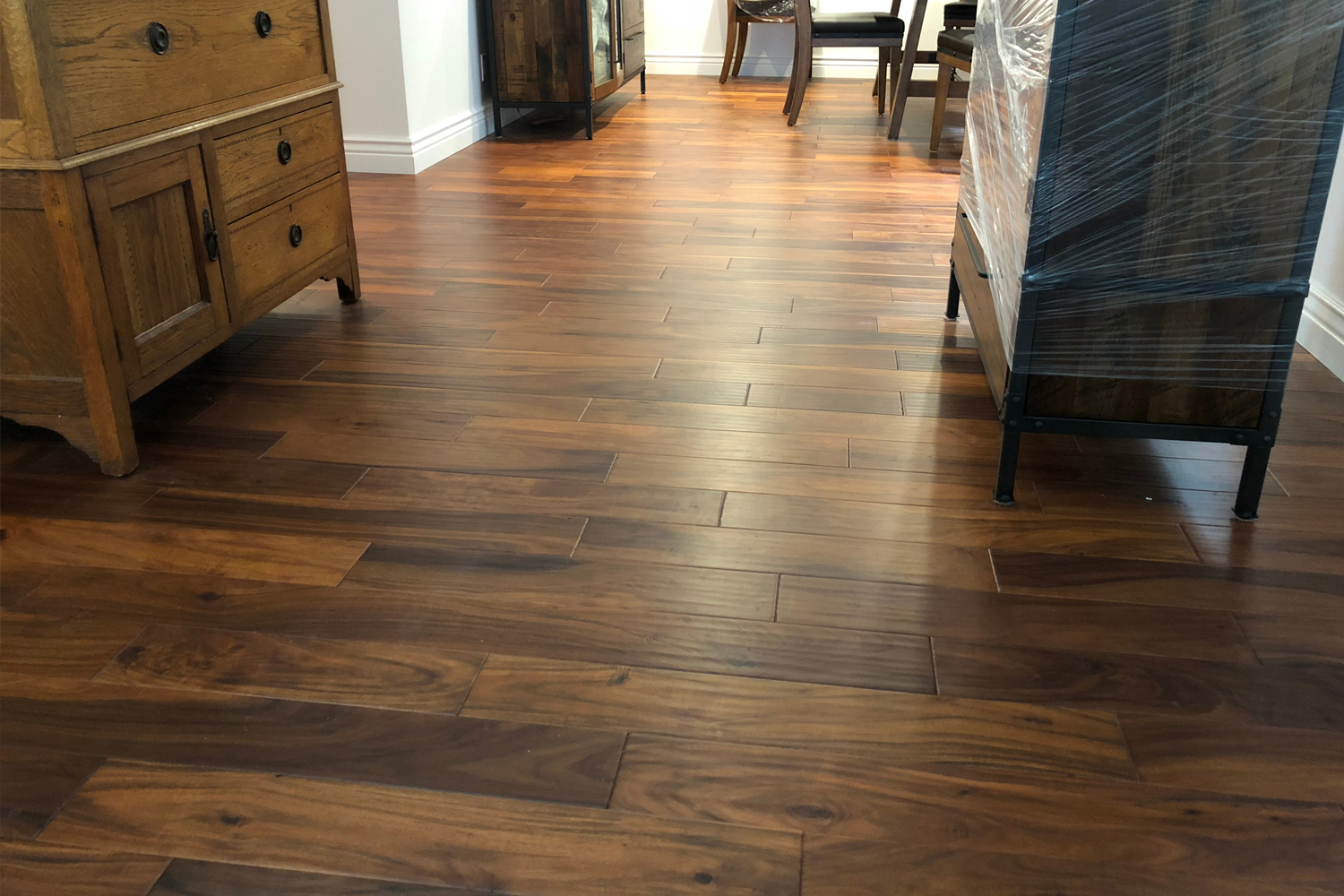
Living rooms, hallways, and open common areas are popular choices. You get the warmth and style of wood flooring with a construction built for everyday use.
Red Rock Flooring helps homeowners compare real wood flooring options with clear, practical guidance. From our showroom in St. George, we provide premium engineered hardwood sales and professional installation for homeowners, builders, contractors, and businesses across Southern Utah, including Cedar City, Hurricane, Mesquite, Washington, and Ivins.
If you like the look of real wood but need more flexibility than solid hardwood often allows, engineered hardwood is worth a serious look. It offers a genuine wood surface, a layered core beneath, and practical performance advantages that matter in homes with changing indoor conditions.
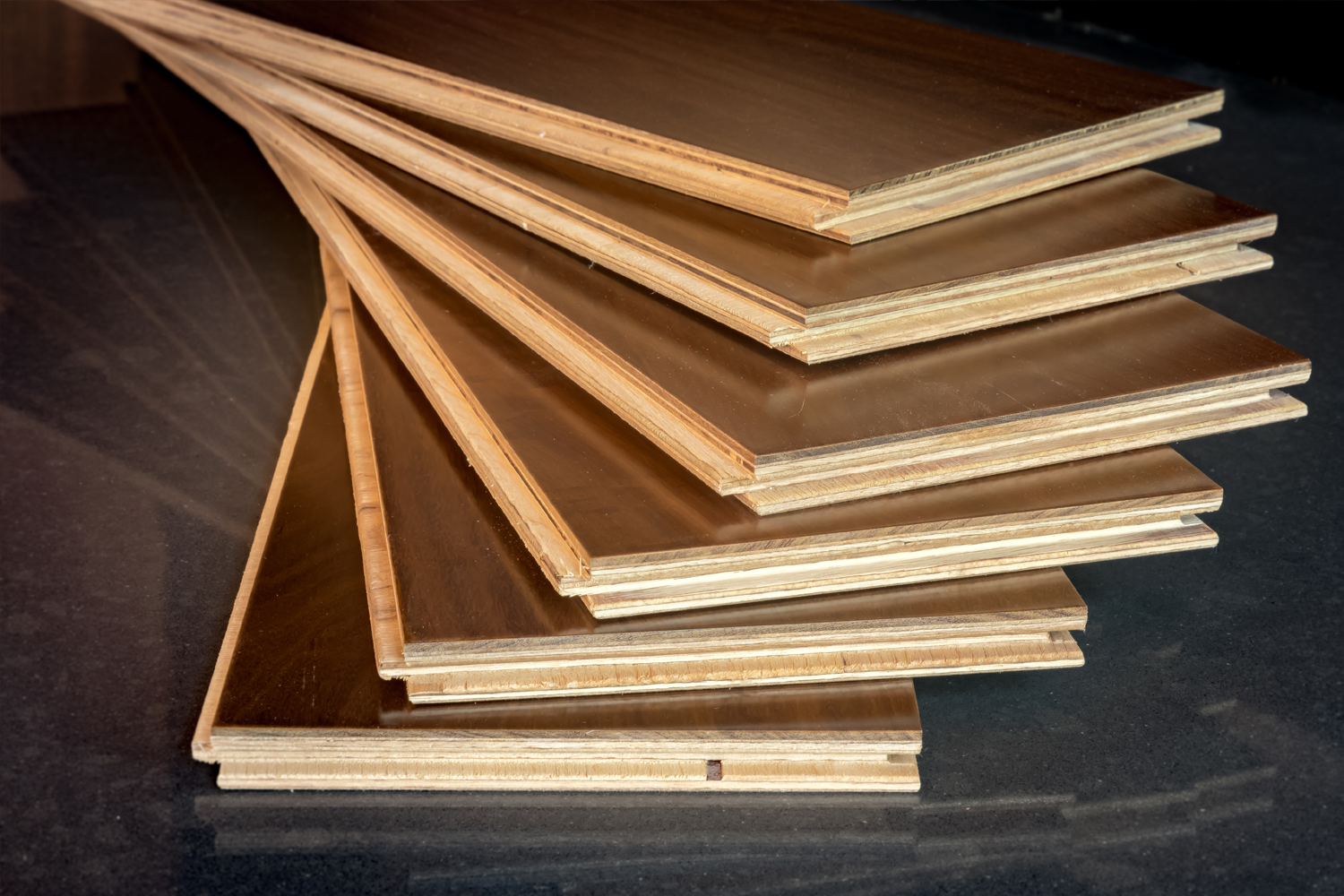
Engineered hardwood flooring is real wood flooring. The top layer you see is real wood veneer, which gives you the grain, tone, and character people want from wood floors. Beneath that surface is a layered core built to improve stability.
That layered construction is the main difference between engineered hardwood and solid hardwood. Solid hardwood is a single piece of wood from top to bottom. Engineered hardwood uses real wood on top with layered material underneath, which can help reduce how much the floor reacts to changes in moisture and temperature.
If you are still comparing options, see our solid hardwood flooring options and our hardwood vs engineered hardwood value guide.
If you are deciding between hardwood vs engineered, the right choice usually depends on where the floor is going, how stable the indoor environment is, and what matters most to you long term.
Both are real wood flooring. The difference is how they are built and how they tend to perform in different conditions.
Both can look beautiful once installed. High-quality engineered hardwood often looks very similar to solid hardwood in everyday use because the visible surface is real wood.
Engineered hardwood is typically more dimensionally stable. That makes it a practical option in spaces where humidity and temperature can shift more than usual.
Solid hardwood can typically be refinished more times. Engineered hardwood may be refinished depending on the thickness of the top veneer layer.
Engineered hardwood often gives you more installation options. Depending on the product and subfloor, it may be glued, floated, or nailed.
| Criteria | Engineered Hardwood | Solid Hardwood |
|---|---|---|
| Surface material | Real wood veneer on top | Solid wood throughout |
| Everyday appearance | Natural wood look | Natural wood look |
| Humidity changes | Typically more stable | More sensitive to moisture shifts |
| Best-fit spaces | Homes with more fluctuation, some kitchens, some basements, mixed-condition spaces | Main living areas and bedrooms with stable conditions |
| Refinishing potential | May be refinished depending on veneer thickness | Can typically be refinished more times |
| Installation flexibility | Often can be glued, floated, or nailed depending on product and subfloor | Typically nailed or stapled to wood subfloor |
For many Southern Utah homeowners, engineered hardwood is the practical path to real wood flooring without expecting every room in the house to behave like a perfectly controlled environment.
Get help choosing between solid and engineered wood
Engineered hardwood is often a strong fit when you want real wood flooring but need more flexibility than solid hardwood usually offers.
Living rooms, hallways, and open common areas are popular choices. You get the warmth and style of wood flooring with a construction built for everyday use.
Because engineered hardwood is typically more stable in changing humidity, it can be a practical option in kitchens and nearby spaces where conditions may be less consistent.
Engineered hardwood is typically a more stable and reliable choice than solid hardwood for basements and other below-grade spaces where temperature and moisture shifts are more common.
If your home sees seasonal dryness, temperature swings, or room-to-room variation, engineered hardwood may be the more forgiving real wood option.
If you are also comparing other products, our comparison of popular flooring materials and installation and best desert flooring choices in Southern Utah can help narrow the field.
The biggest performance advantage of engineered hardwood is dimensional stability. Because it uses layered construction beneath the real wood surface, it generally reacts less dramatically to changes in humidity than solid hardwood.
Layered construction helps reduce expansion and contraction compared with a single solid wood plank. That is why engineered hardwood moisture resistance is often part of the conversation in Southern Utah homes.
Engineered hardwood is not waterproof. It is often a better candidate where indoor conditions are less consistent, but it still requires proper product selection, subfloor prep, and installation.
In and around Southern Utah, homeowners often deal with dry air, changing seasons, and room conditions that vary from one part of the house to another. That is one reason St. George engineered hardwood projects are often part of the conversation for homes in St. George, Cedar City, Hurricane, and Mesquite.
A wood floor project is not just about the material. Prep, layout, subfloor condition, and finishing details all shape how the floor looks and performs over time.
We start with the rooms involved, your style goals, the subfloor, and how the space is used. If you are comparing solid hardwood and engineered hardwood flooring, this is where the tradeoffs become clearer.
Before installation begins, the existing floor and subfloor need to be reviewed. Flatness, transitions, and prep requirements affect appearance, fit, and long-term performance.
Depending on the product and subfloor, engineered hardwood may allow more than one installation method. That flexibility is one of its practical advantages.
Layout choices matter. Homeowners live with plank placement, transitions, and final fit every day, so details matter during the final walkthrough.
To provide the most accurate pricing, we tailor every estimate to your home's unique dimensions and specifications. Your actual cost will depend on:
If old flooring needs to come out first, related services like dust free floor removal may also be part of the project plan.
To ensure high-quality craftsmanship, we outline a realistic schedule based on several key project factors:
If you have a deadline, bring it up early. Clear planning helps.
The quality of any engineered hardwood flooring installation is best proven through real customer experiences.
Find quick answers about engineered hardwood, its benefits, and how it performs in Southern Utah homes.
Engineered hardwood flooring has a real wood veneer on top and a layered core beneath. That construction is designed to provide a real wood look with improved dimensional stability compared with solid hardwood.
Yes. The visible top layer is real hardwood.
Both offer a real wood surface. Engineered hardwood is typically more stable in changing humidity and temperature, while solid hardwood can usually be refinished more times.
It is often a strong choice for living areas, some kitchens, basements or lower levels, and homes where indoor conditions fluctuate more than usual.
It generally handles humidity and moisture changes better than solid hardwood, but it is not waterproof. Product choice, room choice, and installation still matter.
It may be refinished depending on the thickness of the top veneer layer. Thicker wear layers usually offer more refinishing potential.
Depending on the product and subfloor, it may be glued down, floated, or nailed. That flexibility is one reason many homeowners consider it.
Major factors include product quality, veneer thickness, square footage, subfloor prep, layout complexity, flooring removal, trim details, and installation method.
Yes. Because it is typically more dimensionally stable than solid hardwood, it is often one of the most practical real-wood options for Southern Utah homes where indoor conditions can vary.
For maintenance tips after installation, see our hardwood floor care and maintenance guide.
If you are deciding between solid hardwood and engineered hardwood, the fastest way to get clarity is to see samples in person, talk through your rooms, and get straightforward guidance from a local team.
Tell us about your space and we will help you compare real wood flooring options. In a brief showroom or home consultation, we will assess your subfloors, review area humidity factors, outline material options, and answer any installation questions.
We can help with a showroom consultation, an estimate request, or simple product guidance without making the process feel high pressure.
Visit Red Rock Flooring
1136 E 200 S Unit 2, St. George, UT 84790