Red Rock Flooring Logo
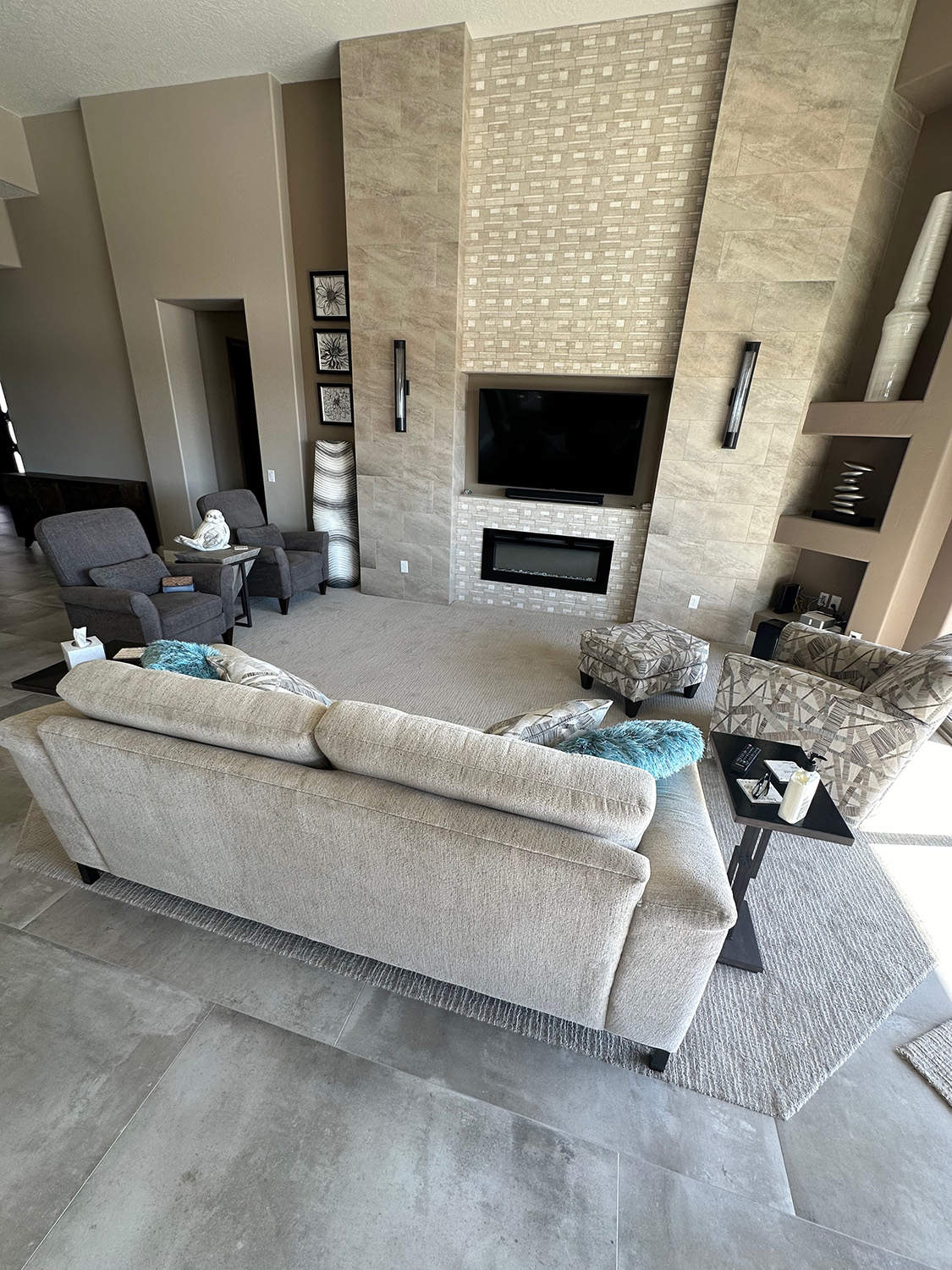
Calm living room with light wood flooring after home flooring replacement project

Fire Damage Flooring Replacement

Fire can leave floors damaged in ways that are not immediately obvious. Red Rock Flooring helps homeowners in St. George, Washington County, Hurricane, Cedar City, and across Southern Utah with professional fire damage flooring replacement.

Fire, smoke, heat, and the water or foam used to put flames out can all affect what is underfoot. We help inspect the damage, plan the replacement, coordinate with your restoration and insurance contacts, and install new flooring that fits your home.

  • St. George based
  • Serves Southern Utah
  • Coordinates with restoration and insurance teams

If your floors were exposed to flames, heavy smoke, intense heat, or extinguishing water, replacement is often the safest path for appearance, odor control, and long-term performance.

You do not need to solve every part of the project at once. The first useful step is a flooring assessment so you can understand what is damaged, what may be hidden below the surface, and what needs to be documented for the people involved in the rebuild.

If your home also has moisture damage from the water used to extinguish the fire, see our water damage flooring restoration service and flooring damage repair service for related support.

What to do now

  • Keep people out of affected areas if the floor feels loose, warped, or unsafe.
  • Take photos of visible damage and room transitions.
  • Confirm what cleanup or drying work is already scheduled.
  • Talk with Red Rock Flooring about the likely replacement scope and next steps.

Hidden Damage After Fire

Fire damage is not always obvious

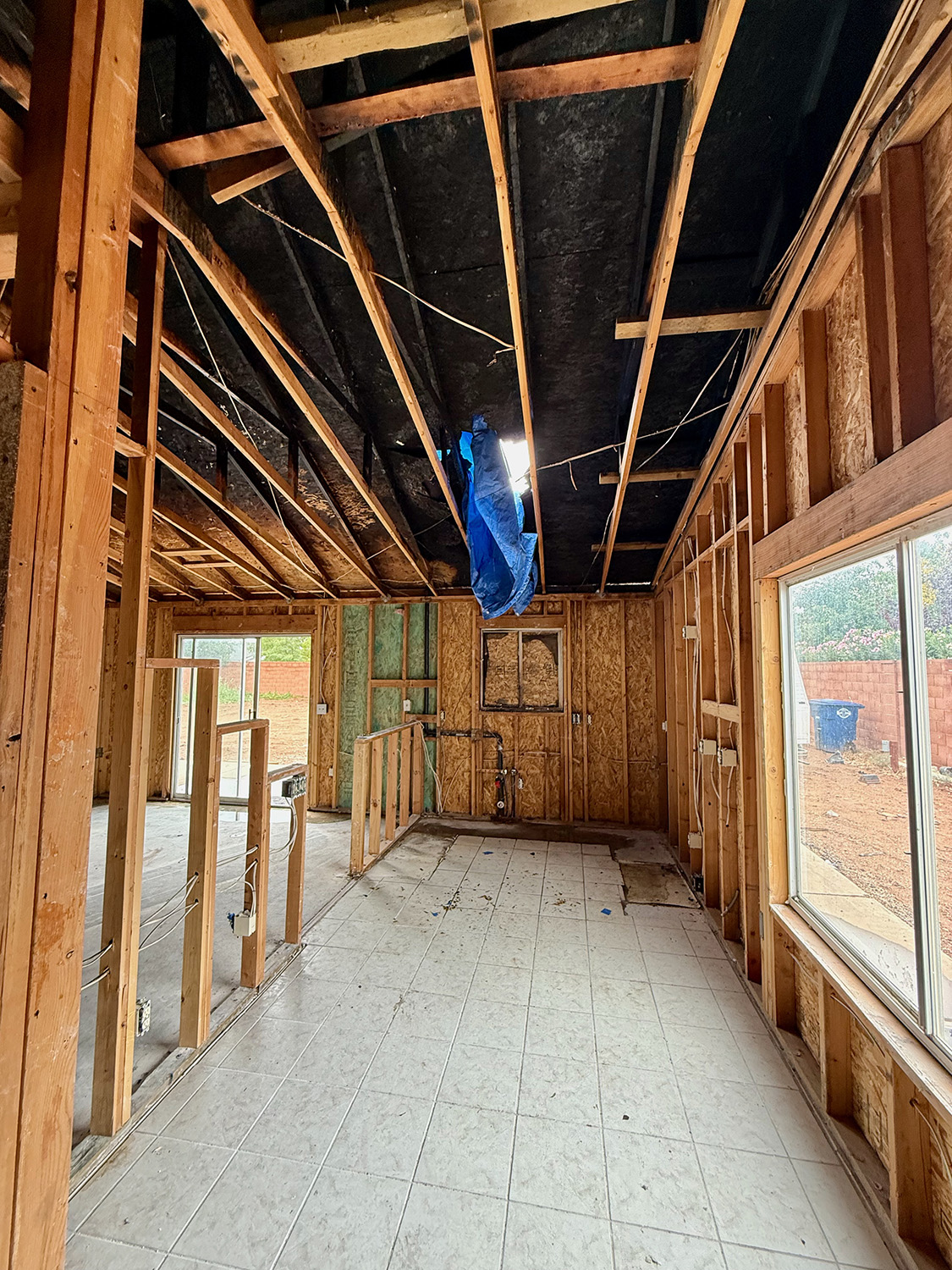
Even when a floor does not look heavily burned, heat can weaken adhesives, underlayment, and subfloor materials. That is why floor restoration after fire often requires full replacement rather than surface treatment alone.

Smoke and soot can stay deep in materials

Smoke and soot damage can settle into porous flooring, grout lines, seams, padding, and wood grain. In some homes, what looks like a cleaning issue becomes a lasting odor problem.

Water exposure adds a second layer of damage

The water or foam used to extinguish the fire can soak carpet, pad, laminate cores, wood-based subfloors, and transition areas. That moisture can change the entire replacement plan.

Signs you should not ignore:

  • lingering smoke odor after initial cleanup
  • warped, bubbled, or separating floor surfaces
  • dark staining or soot buildup around seams and edges
  • soft spots, spongy areas, or movement underfoot
  • cracked grout or loose tile after heat exposure
  • swelling near doorways, baseboards, or transitions
  • visible staining or suspected subfloor damage

If you have been searching for smoke damage floor cleaning, it is important to know that cleaning does not always solve deep odor or hidden structural issues. In many post-fire cases, replacement is the more reliable long-term solution.

Red Rock Flooring worker emptying a debris bin beside a company demo floor removal truck loaded with carpet scraps.

Flooring Types Affected

Different materials respond differently after a fire. While some surfaces appear intact, heat-damaged floors, trapped smoke odor, moisture from extinguishing water, and compromised subfloors often make replacement the safer long-term choice.

Clean room with new laminate flooring after residential replacement project

Carpet

Common issues: Burn damage, soot retention, odor in fibers and padding, water saturation.

Carpet and pad often need full replacement for cleanliness and odor control.

See carpet flooring

Hardwood

Common issues: Smoke in grain, heat stress, cupping from water, odor after refinishing attempts.

Replacement may be best when smell, staining, or subfloor issues remain.

See hardwood flooring

Engineered Hardwood

Common issues: Layer separation, adhesive issues, board distortion, odor retention.

Depends on wear layer, board condition, and base stability.

See engineered hardwood

Laminate

Common issues: Bubbling, swelling, seam failure, trapped moisture in core.

Laminate often needs replacement once swollen or separated.

See laminate flooring

Luxury Vinyl Plank

Common issues: Heat warping, curling, locking failure, subfloor moisture concerns.

Scope depends on product condition and what happened underneath.

See luxury vinyl plank

Tile

Common issues: Surface may look intact, but grout can hold odor and substrate may be affected.

Tile may still need replacement if grout, mortar, or subfloor conditions are compromised.

See tile flooring

Why replacement is often the better option

A common question is whether fire damage flooring replacement is really necessary if the floor mostly looks fine. In many homes, the answer depends on what happened underneath, not only what is visible on top. Lingering odor, adhesive failure, swelling, and hidden moisture can all keep causing problems after the initial cleanup is over.

Fire Damage Flooring Replacement Process

  1. 1

    Assess the affected areas

    Assessment: We evaluate both visible heat and smoke damage alongside potential subfloor impact.

    We look at flooring surfaces, seams, transitions, connected rooms, and indicators of subfloor or underlayment issues caused by fire, smoke, heat, or water used to extinguish the fire.

  2. 2

    Confirm what must be removed

    Demolition & Removal: Damaged materials must be completely removed so your new flooring rests on a clean substrate.

    If removal is needed, we can discuss options such as dust-free floor removal or dustless demolition services, depending on the flooring type and job conditions.

  3. 3

    Check subfloor and surface readiness

    Subfloor Prep: We verify the structural integrity of your subfloor, checking for heat distortion or moisture damage.

    Heat can affect adhesives and underlayments. Moisture can damage wood-based layers below. We help identify what needs attention before new materials go in.

  4. 4

    Select the right replacement flooring

    Product Selection: Choose a material that suits your lifestyle, moisture tolerance, and design preference.

    Some homeowners want to match the original style. Others use the project as a chance to update finishes. Red Rock Flooring helps you compare practical options without making the process feel overwhelming.

  5. 5

    Coordinate with the larger rebuild schedule

    Scheduling: We coordinate with your active mitigation and restoration companies to install at the ideal project milestone.

    We work with your project timing so the flooring portion fits with cleanup, drying, repairs, and any restoration milestones already underway.

  6. 6

    Install and finish the new floor

    Final Installation: Our professionals install your new floors, matching transitions, baseboards, and finishing details.

    That can include layout, transitions, trim, and the final finishing touches that make the replacement look clean and consistent.

Cost and Timeline Factors

What affects cost

Short answer: Square footage is only one part of the picture.

Fire damage flooring replacement cost can vary based on:

  • size of the affected area
  • type of flooring selected
  • whether one room or several connected rooms are involved
  • demolition complexity
  • subfloor condition
  • moisture issues from extinguishing water or foam
  • odor-related material removal needs
  • trim, transitions, and baseboards
  • furniture movement or occupied-home logistics
  • documentation and coordination needed for insurance contacts

What affects timing

Short answer: Drying, approvals, and scope often matter more than the install day itself.

Timeline factors often include:

  • whether cleanup and drying must happen first
  • subfloor repair needs
  • material availability
  • number of rooms involved
  • insurance review or approvals
  • access and scheduling for an occupied home

Red Rock Flooring does not make rushed promises that ignore the condition of the home. The goal is a clean, well-coordinated replacement process.

Coordination With Restoration and Insurance Teams

Red Rock Flooring focuses on flooring replacement and coordination

We are not a full disaster cleanup company. Our role is to help you replace damaged floors and coordinate the flooring portion with the restoration and insurance contacts already involved in your project.

This kind of coordination can reduce confusion when several teams are involved. It also helps homeowners keep the flooring portion of the rebuild moving in the right direction.

Our Coordination Role

That often includes:

  • reviewing flooring conditions after cleanup or drying stages
  • helping identify practical replacement options
  • coordinating timing with restoration work
  • providing flooring scope information for project discussions
  • communicating clearly about installation planning

Customer Reviews

Local Service Area Relevance

Red Rock Flooring serves homeowners across Southern Utah and nearby border communities.

1136 E 200 S Unit 2, St. George, UT 84790

This service is especially relevant for homeowners looking for fire damage flooring replacement in:

Frequently Asked Questions

Can fire-damaged floors sometimes be cleaned instead of replaced?

Short answer: Sometimes, but not always.

If damage is limited and the material has not absorbed smoke, soot, odor, heat stress, or moisture deeply, cleaning may be possible. But many post-fire flooring problems involve padding, adhesives, core material, or subfloor damage, which makes replacement the more reliable option.

Does tile always survive a fire?

Short answer: No.

Tile may handle heat better than some other surfaces, but grout can retain odor and the subfloor beneath may still be affected by heat or extinguishing water. A tile floor can look fine on top and still need replacement work below.

Can hardwood be refinished after smoke damage?

Short answer: Sometimes, but deep odor can remain.

Hardwood may appear salvageable, but smoke and soot can penetrate the wood grain. If odor remains after cleaning or refinishing attempts, replacement may be the better path.

Do you work with insurance companies?

Short answer: We coordinate with your insurance and restoration contacts on the flooring portion.

We are not a full disaster cleanup company, but we can help keep the flooring side of the project organized and aligned with the people involved.

How soon should I address flooring after a house fire?

Short answer: As soon as it is safe and the property is ready for a flooring evaluation.

Waiting too long can make odor, moisture, and subfloor issues harder to manage. Once cleanup and drying are far enough along, it helps to get the replacement process moving.

What kind of replacement flooring should I choose after a fire?

Short answer: It depends on the room, moisture risk, subfloor condition, and the look you want going forward.

Some homeowners want to match what was there before. Others want to switch materials during the rebuild. Red Rock Flooring can help you compare practical options across products and flooring types.

Have more questions? Visit our full frequently asked questions page.

Ready to Talk Through Your Flooring Replacement?

If you need fire damage flooring replacement in St. George, Washington County, or anywhere across Southern Utah, Red Rock Flooring is ready to help you move forward with a clear, coordinated plan.

Red Rock Flooring 1136 E 200 S Unit 2 St. George, UT 84790

When your home has already been through enough, a clear flooring plan matters. Reach out, and we will help you understand what comes next.