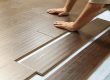
When it comes to designing or renovating a commercial space, flooring is one of the most important decisions you’ll make. It sets the tone for your entire environment, influences how customers and employees feel when they walk through the door, and has to hold up to the demands of daily business operations. Unlike residential flooring, commercial flooring needs to balance aesthetics, durability, safety, and budget — all at the same time.
Whether you’re outfitting a retail store, office, restaurant, healthcare facility, or warehouse, this guide will walk you through everything you need to know to make the right choice for your space.
Understand How Your Space Will Be Used
Before you start browsing materials and finishes, take a step back and think about how your space actually functions day to day. The flooring that works perfectly in a boutique clothing store may be completely wrong for a busy restaurant kitchen or a medical clinic.
Ask yourself a few key questions. How much foot traffic does your space receive on a typical day? Will heavy equipment, carts, or machinery be rolling across the floor? Are spills, moisture, or chemical exposure a regular concern? Does your space need to meet specific safety or accessibility codes? The answers to these questions will immediately narrow down your options and help you focus on materials that are built for your specific environment.
Consider Durability and Longevity
In a commercial setting, flooring takes a beating. High foot traffic, heavy loads, and constant use can wear down materials that might last decades in a home. That’s why durability should be near the top of your priority list when evaluating your options.
Some flooring materials are engineered specifically to handle the rigors of commercial use. Look for options that are rated for commercial environments, as these are tested to withstand heavier use than their residential counterparts. Pay attention to wear layer thickness, scratch resistance, and how well a material holds up under repeated cleaning and sanitization. Investing in a durable floor upfront will save you the cost and disruption of early replacement down the road.
Think About Maintenance Requirements
Every flooring material comes with its own maintenance demands, and in a commercial setting, time is money. Floors that require frequent waxing, specialized cleaning products, or professional refinishing can add up in both cost and labor over time.
Consider how your cleaning staff currently maintains the space and whether a new flooring material fits into that routine. Some surfaces are incredibly easy to wipe clean and resist staining with minimal effort, while others require more care to keep looking their best. If low maintenance is a priority for your business, make sure that’s a deciding factor in your selection process.
Don’t Overlook Safety and Compliance
Safety is a non-negotiable factor in any commercial environment. Slip-and-fall accidents are one of the most common causes of workplace injuries, and the right flooring can significantly reduce that risk. Look for materials with appropriate slip resistance ratings, especially in areas prone to moisture such as entryways, kitchens, bathrooms, and break rooms.
Beyond slip resistance, consider whether your flooring choice meets local building codes and ADA accessibility requirements. Certain industries — particularly healthcare, food service, and education — may have additional compliance standards that dictate what materials can and cannot be used. Working with an experienced professional during your commercial flooring installation ensures that all of these requirements are met from the start, saving you potential headaches and liability down the line.
Match Your Flooring to Your Brand Aesthetic
Your flooring is part of your brand. It contributes to the overall atmosphere you’re creating for customers, clients, and employees. A law firm may want the polished, sophisticated look of natural stone or hardwood-look luxury vinyl. A fitness studio might lean toward rubber flooring that’s both functional and energetic in feel. A modern tech office might opt for a sleek, minimalist tile or polished concrete.
Think about the colors, textures, and overall design language of your space. Your flooring should complement your walls, furniture, and lighting rather than compete with them. It’s also worth considering how your flooring choice will photograph and appear on social media — in today’s visual culture, the look of your interior space can directly impact how customers perceive your business before they even walk in the door.
Weigh the Upfront Cost Against Long-Term Value
Budget is always a factor, but it’s important to think beyond the initial price tag. A less expensive flooring option that needs to be replaced in a few years may end up costing more in the long run than a higher-quality material that lasts for decades with minimal upkeep.
When comparing costs, factor in not just the material itself but also installation, ongoing maintenance, and the potential cost of replacement or repairs. Some materials have a higher upfront cost but offer exceptional longevity and low maintenance, making them a smarter financial investment over the life of your business. Ask your flooring professional to walk you through the total cost of ownership for each option you’re considering.
Explore the Most Popular Commercial Flooring Options
There are several materials that consistently perform well in commercial environments, each with its own strengths. Luxury vinyl tile and plank have become increasingly popular due to their durability, water resistance, and wide range of design options. Ceramic and porcelain tile are excellent choices for high-moisture areas and offer a clean, professional look. Carpet tile works well in offices where comfort and acoustics matter. Polished concrete is a low-maintenance, long-lasting option well-suited to industrial or modern spaces. Natural stone makes a bold statement in lobbies and high-end retail environments. Understanding the pros and cons of each will help you find the best match for your needs.
Work With a Professional You Can Trust
Choosing the right flooring material is only half the battle — proper installation is just as important. Even the highest quality flooring can underperform if it’s not installed correctly. Subfloor preparation, moisture testing, proper adhesives, and precise measurements all play a critical role in the longevity and performance of your floor.
Working with an experienced commercial flooring professional gives you access to expert guidance, quality installation, and peace of mind that the job is done right the first time.
Ready to Transform Your Commercial Space?
Your flooring is one of the hardest-working elements of your business — it deserves careful thought and the right team behind it. Whether you’re starting from scratch or refreshing an existing space, our team is here to help you find the perfect flooring solution for your needs and budget.
Contact us today for a free consultation, and let’s build a floor that works as hard as you do.
Frequently Asked Questions
How long does commercial flooring typically last?
The lifespan of commercial flooring depends heavily on the material chosen and the level of foot traffic it endures. Some materials, when properly maintained, can last for many years without needing replacement, while others in high-traffic areas may need to be refreshed sooner.
Can I install new flooring over my existing floor?
In many cases, yes — but it depends on the condition of the existing floor and the material being installed. A professional assessment of your subfloor is always recommended before making this decision.
How do I know which flooring is best for a high-traffic area?
Look for materials specifically rated for commercial use with high durability scores. Porcelain tile, luxury vinyl, and polished concrete are all commonly recommended for heavy-traffic environments.
How long does a commercial flooring installation take?
The timeline varies based on the size of the space, the material being installed, and whether any subfloor preparation is needed. Your flooring contractor should provide a detailed project timeline before work begins.
Is it possible to mix flooring materials in one commercial space?
Absolutely. Many businesses use different flooring materials in different zones to define areas, manage traffic flow, or meet the specific functional needs of each space.