Walk into almost any home with wood floors, and you will feel it right away — that warmth, that sense of quality that no other material quite matches. But if you have ever started shopping for wood flooring, you have probably run into the same question most homeowners face: Should you go with solid hardwood or engineered hardwood? They may look similar once installed, but they are built differently, they behave differently, and they each bring something unique to a home. Rather than looking at them one at a time, it helps to see how they stack up against each other across the things that matter most.
Appearance: The Look You Live With Every Day
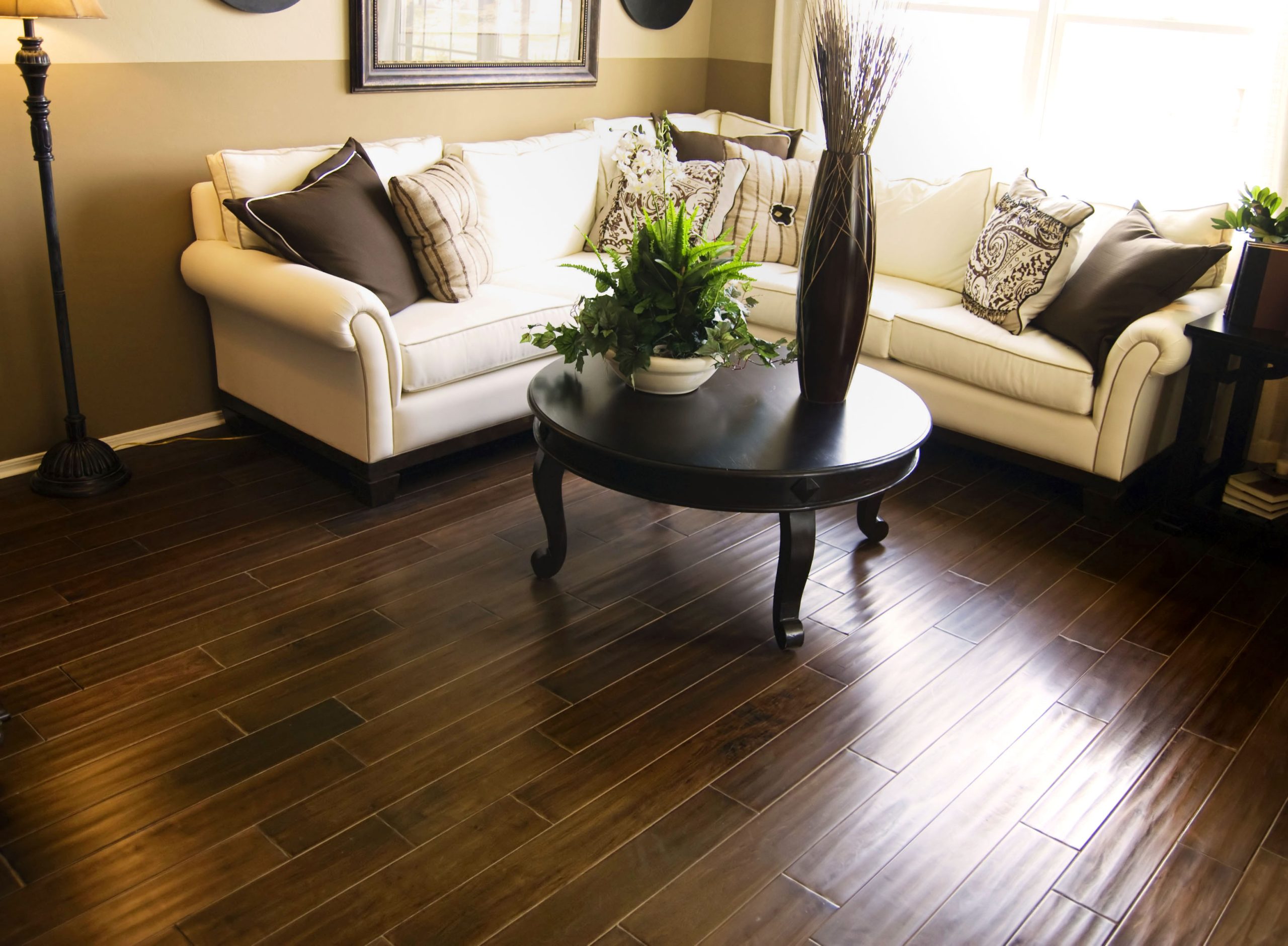
At first glance, hardwood and engineered hardwood can look nearly identical. Both feature real wood grain on the surface, and both come in a wide range of species, finishes, and plank widths. Solid hardwood has a depth and richness that comes from being cut from a single piece of wood all the way through. The color, grain, and texture are consistent from surface to core, which gives it a full, authentic feel.
Engineered hardwood has a real wood veneer on top — the layer you actually see — so the surface appearance is just as natural. High-quality engineered products can be remarkably hard to distinguish from solid hardwood once they are installed and finished. In terms of everyday aesthetics, both options deliver a beautiful result, and the difference in appearance often comes down to the specific product and wood species rather than the category itself.
Performance: How Each Type Holds Up in Real Life
This is where the two begin to take different paths. Solid hardwood is a natural material that responds to its environment. It can expand when humidity rises and contract when the air gets dry. Over time, this movement is normal and manageable in the right conditions, but it does mean that solid hardwood performs best in areas with stable humidity levels, like main living spaces and bedrooms.
Engineered hardwood is built with stability in mind. Its layered construction — real wood on top, plywood or fiberboard beneath — reduces how much the floor reacts to changes in moisture and temperature. This makes it a reliable choice for basements, kitchens, or homes in climates where indoor humidity tends to fluctuate more. It can also be installed over radiant heating systems where solid hardwood might not be recommended.
When you look at the full range of flooring options available, engineered hardwood stands out because it performs well in situations where solid wood needs more careful conditions to thrive.
Longevity: Which Floor Lasts Longer
Both types of wood flooring are built to last, but they age in different ways. Solid hardwood can be sanded and refinished multiple times over its life, which means it can be restored to a like-new condition even after years of heavy use. This ability to be renewed again and again is one of the strongest arguments for solid hardwood in a long-term home.
Engineered hardwood can also be refinished, though the number of times depends on how thick the top veneer layer is. Thicker veneer options offer more refinishing potential and can stand up to wear over many years. While it may not match solid hardwood in total refinishing cycles, a well-made engineered floor that is properly cared for can still last for decades without needing replacement.
Installation: What Goes Into Getting It Done Right
Solid hardwood typically needs to be nailed or stapled directly to a wood subfloor, which requires a specific type of subfloor and a certain amount of preparation. It also needs time to acclimate to the room’s conditions before installation begins, ensuring the wood adjusts to the humidity and temperature of the space. This process, when done by a skilled installer, results in a floor that feels solid and permanent.
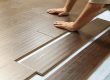
Engineered hardwood offers more flexibility in how it can be installed. It can be nailed, glued, or floated, depending on the subfloor type and the space. This versatility makes it easier to use in a wider variety of rooms and home types, and it generally requires a shorter acclimation period. In both cases, professional installation makes a significant difference in how the floor looks and performs over time.
Home Value: What Buyers and Appraisers Notice
Both flooring types have a positive effect on a home’s appeal, but they do so in slightly different ways. Solid hardwood has a long-standing reputation as a premium feature. Buyers who prioritize authenticity and craftsmanship tend to respond strongly to solid wood floors, and it is a detail that often gets highlighted in home listings.
Engineered hardwood has steadily earned its place as a high-value option as well. As the quality of engineered products has improved over the years, buyers have become more familiar with them and more comfortable with their value. In many markets, a well-installed, well-maintained engineered hardwood floor is seen as just as desirable as solid hardwood, especially when it covers a larger area of the home consistently.
Ultimately, the condition, quality, and installation of the floor matter just as much as which type it is. A floor that looks great, feels sturdy, and has been properly cared for will always make a stronger impression than one that has been neglected, regardless of what it is made from.
Whether you are drawn to the classic depth of solid hardwood or the practical versatility of engineered hardwood, our team is here to help you find the right fit — contact us today to schedule your demo and see both options up close.
Frequently Asked Questions
Is one type of wood flooring easier to maintain than the other?
Both require similar day-to-day care, like regular sweeping and avoiding excess moisture during cleaning. The main difference shows up over time — solid hardwood can be refinished more times, giving it an edge in long-term maintenance and restoration.
Can either type be installed in a basement?
Engineered hardwood is generally the better fit for below-grade spaces like basements because it handles moisture and humidity shifts more reliably. Solid hardwood is typically not recommended for below-grade installation.
Do both types work with underfloor heating systems?
Engineered hardwood is generally more compatible with radiant heating systems. Solid hardwood can sometimes be used with radiant heat, but it requires careful planning and specific product selection to avoid issues caused by heat and moisture changes.